DESIGNING FOR EXTREME ENVIRONMENTS
Studio Schmidbauer
Teaching: Theresa Kappeler, Simon Oberhammer
Based on weather data (humidity, temperature, lux levels, air pressure, etc.), we were asked to identify a site and analyse its environment. From this analysis, we were to derive constraints, potentials, and possible architectural uses for this context.
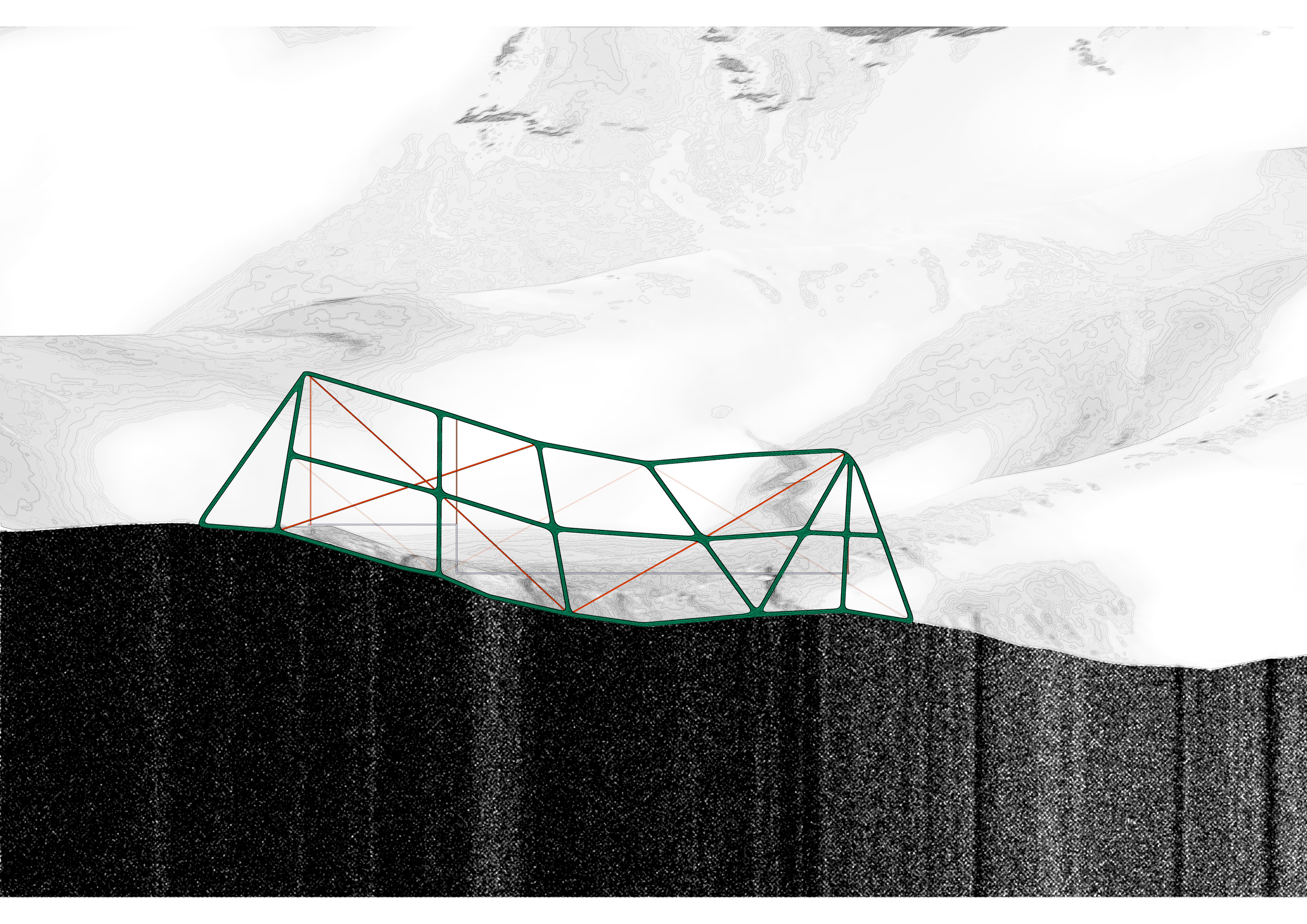
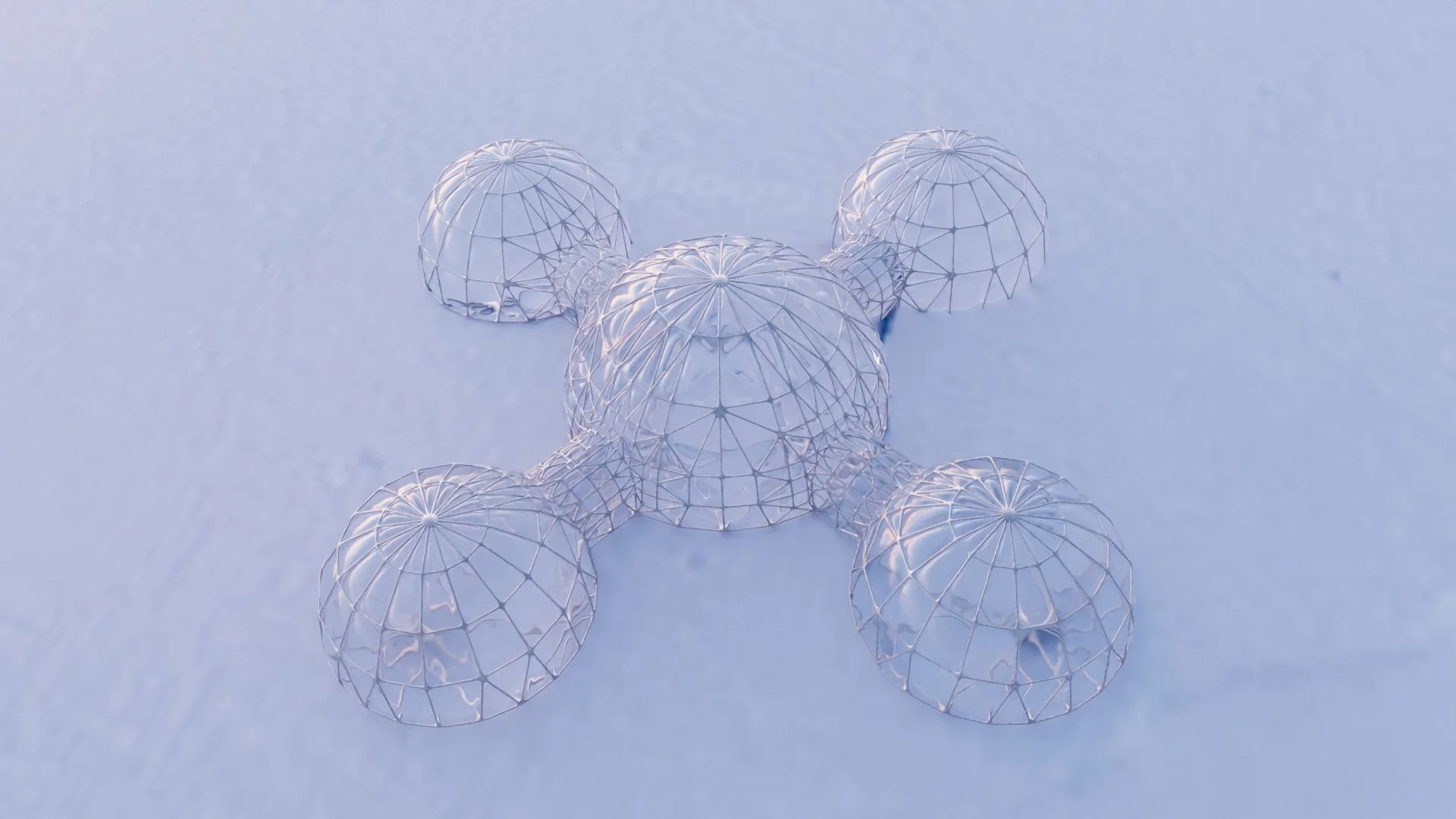
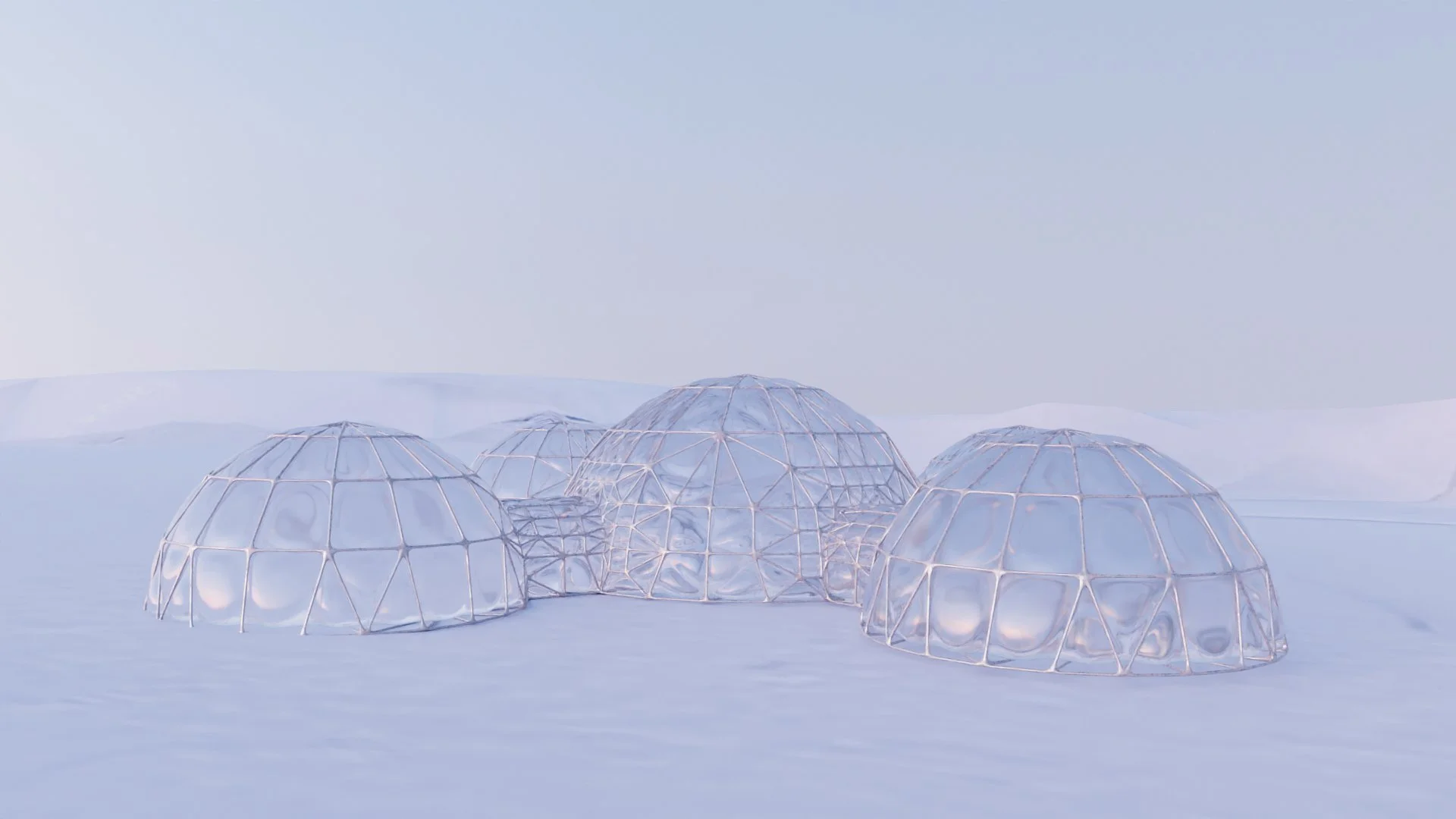
Our weather data corresponded to that of polar regions, so we investigated traditional building techniques in these climates. Inspired by nomadic tribes and their tent structures, we aimed to develop a contemporary architectural system suitable for expeditions.
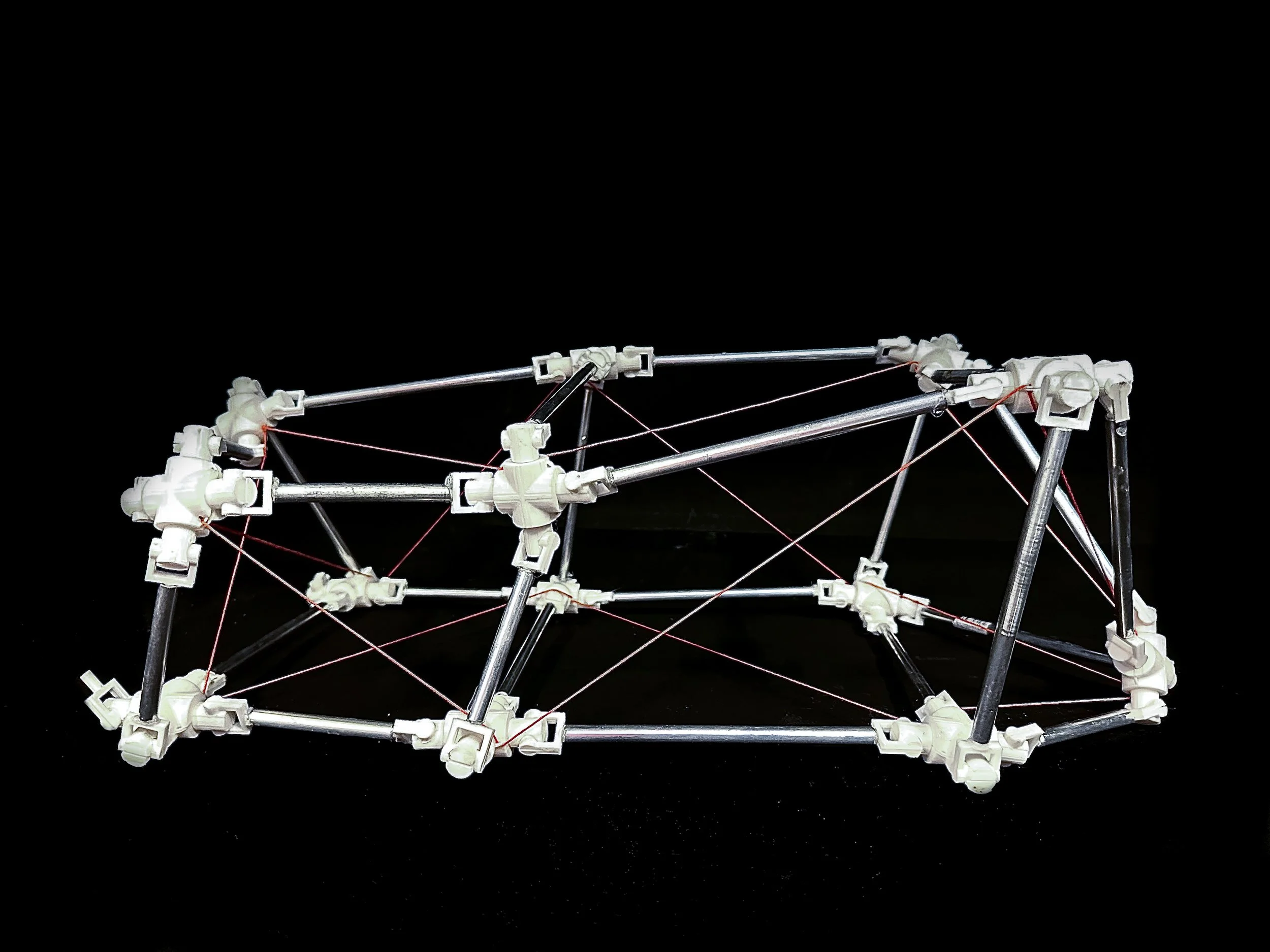
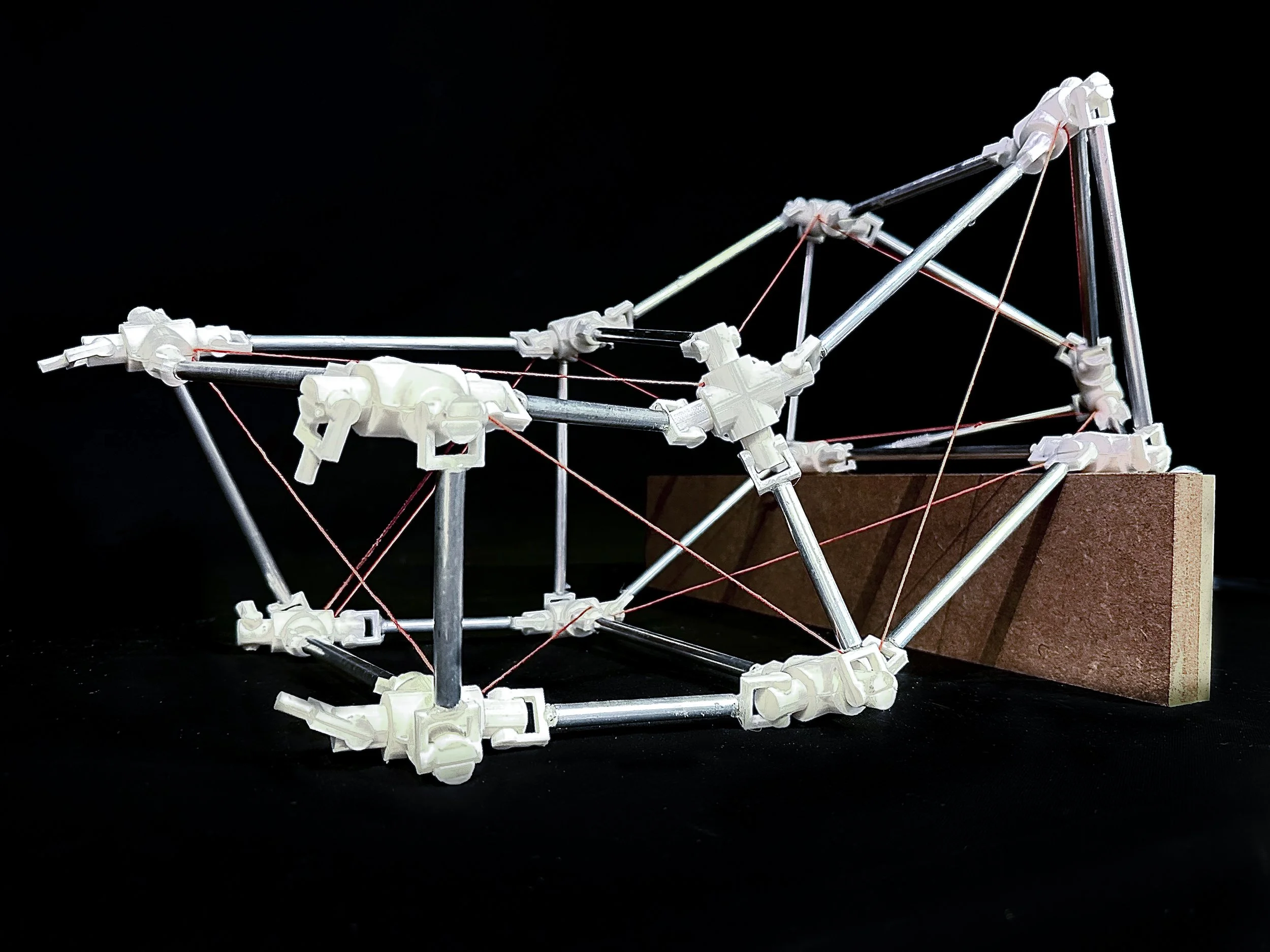
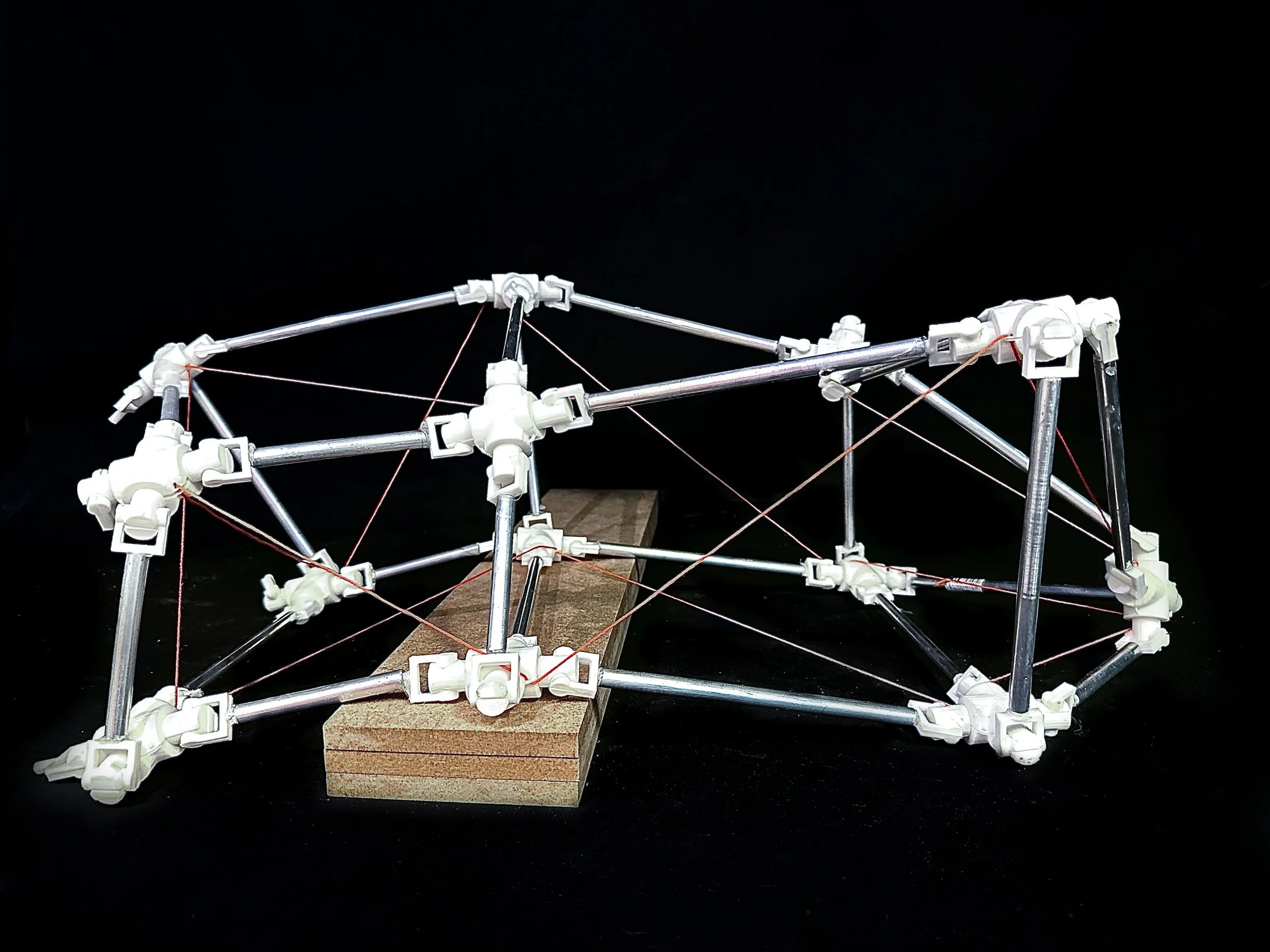
Given the constantly shifting landscapes of snow and ice in mountainous areas of the southern polar region, we sought to design a skeletal structure capable of adapting to any given surface. To make this possible, we created a rectangular cage with rotational joints along all axes and stabilised it with a cable system, resulting in a flexible yet structurally sound framework.
FIRST DRaft
FIRST DRaft
all axis rotation JOINT
design overview
I developed a compact joint that lets four tubular members meet at one point and rotate freely in all directions.
At the center is a two-piece core (red and green parts in the drawings). Each tube ends in a simple fork with a pin. The forks grip “spool”-shaped elements that slide into the core from four sides. The way these parts interlock makes the center behave like a spherical joint: the connected tubes can tilt, swing, and re-orient around a common point while staying structurally linked.
Key engineering goals of the design
All-direction rotation: Each connected tube can move through a wide range of angles around the central point.
Symmetrical layout: Four identical connections share loads around the joint, useful for space-frame or truss-like structures.
Modular parts: The tube ends, spools, and central body are designed as repeatable modules, simplifying manufacturing and assembly.
Mechanical stops and guidance: The curved contact surfaces guide the motion and naturally limit extreme angles, helping to protect the structure.
POC MODEL -
POC MODEL -